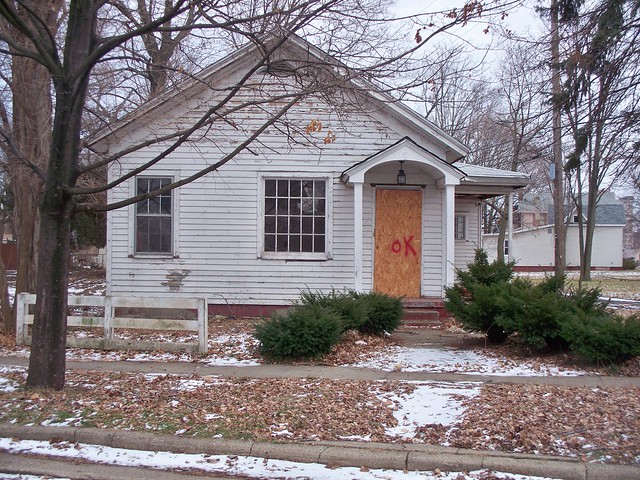

Coming Soon: 3% Mortgage Down Payments

foreclosure defense for homeownersThe federal government has come up with a new plan to encourage individuals without significant funds to be able to buy homes. Under this new plan, prospective homeowners will be able to obtain mortgages with down payments as low as only 3% of the purchase price. There is a debate as to whether this is a good thing or a bad thing. These new 3% down payment mortgages are coming less than a decade after the tremendous housing collapse America recently experienced.

First Time Home Buyers

The purpose of the program is to help lure first time home buyers back into the housing market. Is a 3% down payment loan risky? If the individuals putting the 3% down and buying a home have set aside an emergency fund in the event they lose their job or become ill, it may be a good idea. However, this writer’s experience with individuals taking these type of loans is they do not have emergency funds. The 3% is usually all they have. Without an emergency fund, should the roof leak, the boiler go bad, or one of the family members lose their job, they will be unable to make the mortgage payments and the house will go into foreclosure.

A 20% Down Payment

Most conventional mortgages require a 20% down payment today. I also have problems with this level of down payment. Most young people coming into the housing market do not have the 20% down payment. A more reasonable down payment on a conventional mortgage would be 10%. Unfortunately, pursuant to a 2012 Center for Responsible Lending Study, it found even a 10% down payment would require the individuals purchasing a home with a 2010 median value of $158,000, would take 21 years for the average family to save this amount.

The American Dream

Owning a single family home is the American dream. An equilibrium must be found which will motivate and help young people to purchase homes while not putting them into a situation where they are overextended. Owning a home is one of the bed rocks young married couples have. This is the American dream and that dream must not be kept out of reach for young couples!

foreclosure defense lawyer in New YorkElliot Schlissel is a foreclosure attorney. He represents clients who unfortunately fall behind on their mortgages and face the possibility of losing their homes in foreclosure.

Bank’s Bad Faith When Negotiating Mortgage Modifications

To watch today’s video blog, please click on the link below:

http://youtu.be/Zj0VcXXNwl4

Elliot S. Schlissel is a foreclosure defense lawyer.  He and his associates have been helping homeowners stay in their homes for more than 45 years.  His phones are monitored 24/7.  Please call for a consultation at 516-561-6645, 718-350-2802 or send an email to schlissel.law@att.net.

HAMP Mortgage Modifications

To watch today’s video blog, please click on the link below:

http://youtu.be/28MzOIkq3Ws

Elliot S. Schlissel is a foreclosure defense attorney.  He and his associates have been representing homeowners and keeping families in their homes for more than 45 years.  Elliot defends foreclosure litigation and helps his clients obtain mortgage modifications.  He can be reached for consultation at 516-561-6645, 718-350-2802 or by email to schlissel.law@att.net.
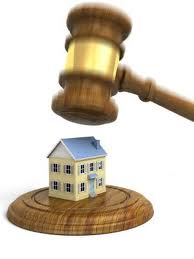

Zombie Homes

mortgage modification attorneyA “zombie home” is a home which is no longer under the control of the owners, but the foreclosure case is still pending and therefore the bank does not have legal title or possession of the home.

Foreclosed Abandoned Homes

There are communities which have numerous foreclosed homes within them. Sometimes the homeowners abandon these homes. This has a negative effect on the tax base. The other homes in the area have their taxes go up as a result of this action. The abandoned homes fall into disrepair causing the homes surrounding them to lose value. When people drive through an area with abandoned homes, it creates a blight on the neighborhood. Zombie homes are a problem in many neighborhoods throughout the United States. It is estimated that as many as 20% of the homes in foreclosure are vacant.

Proposed New York Program

In States such as New York, where the foreclosure process is long, the issue of zombie homes becomes a larger problem. Attorney General Schneiderman in the State of New York is currently backing an idea of letting communities create land banks for the purpose of buying, refurbishing, and reselling abandoned homes. Attorney General Schneiderman has proposed legislation which would force lenders to maintain a property which has been abandoned after the start of the foreclosure lawsuit.

Maintenance Problems of Abandoned Homes

Homes that are abandoned often have significant maintenance problems. Pipes burst. The wood rots. The lawns sprout weeds. These homes create eyesores and create a blighted effect on the neighborhood.

Syracuse Land Bank Program

Katelyn Wright, the Executive Director of the Greater Syracuse Land Bank, recently stated “studies have shown that they [abandoned homes] have a dramatic negative impact on the property values for the homes in the surrounding vicinity, but also less dramatic but still notable for homes in a several block radius.” Katelyn Wright, as Director of the Greater Syracuse Land Bank, has been involved in dealing with abandoned homes in the Syracuse area. Syracuse experiences as many as 50 new abandoned homes each month. The Land Bank buys many of these homes for a very modest price using State, City and County funding. The homes are then either rehabilitated and put back on the market or, if they are not able to be rehabilitated, they are demolished. This is an example of how one community is dealing with zombie homes.

foreclosure defense lawyer in New YorkElliot Schlissel is a foreclosure attorney who represents homeowners whose homes have been foreclosed on. He helps keep his clients in their homes and advises his clients not to abandon their homes.

Foreclosure Defense Facts: Keeping Your Home When Facing Foreclosure – Part III

foreclosure defense attorney on Long IslandYour Loan Modification Was Denied!

This is not the end of the world. To start with, even if your loan modification was approved, they may not have modified your loan to the point where you can afford to make the payments. If your loan modification is denied, you must litigate the foreclosure lawsuit. After submitting an Answer with affirmative defenses and countersuing the bank, you have an opportunity to make discovery demands upon the bank. You can request documents, financial records and other information from the bank with regard to the processes, procedures and what was involved in initiating the mortgage, having the financial documents moved from one bank to another, and bank policies and procedures. This will give you more information with regard to defending your lawsuit.

Banks can be sued within their foreclosure proceedings. This is called countersuing the bank. In the foreclosure lawsuit, the bank must present testimony and documentary evidence to support their claims. It is not uncommon for litigated foreclosure lawsuits to take three to five years to get through the court system.

Does Foreclosure Mean You Are Losing Your Home?

The answer to this is no! The foreclosure lawsuit is the start of a process by a financial institution to take back the home. If proper Answers with affirmative defenses and counterclaims are filed and discovery demands are made, the banks can be put on the defensive. No one is going to show up at your house and force you out into the street. The purpose of the foreclosure proceeding is for the bank to obtain a court order to sell your home. This is not an easy process. It takes a long time to get through the legal system. Using an experienced foreclosure defense lawyer can give you the security of knowing you will not be forced out of your home in the short run. Before a bank can take your home, they must get through your foreclosure defense law firm. I can tell you this is not an easy thing to do if you are represented by the right lawyer.assisting homeowners on Long Island

Foreclosure Defense Facts: Keeping Your Home When Facing Foreclosure – Part II

foreclosure defense attorneys for homeownersDo I Need A Lawyer To Help Me Litigate The Foreclosure Case?

The answer to this question is yes. In theory you can submit an Answer and represent yourself. However the law firm representing the bank usually brings hundreds of lawsuits against consumers. They usually have an expertise in foreclosing on homes and having the homes sold at auction on the courthouse steps. If you do not hire a lawyer, you will find yourself in an extremely disadvantaged situation. You will not understand the laws, the court rules, and the procedures involved in fighting a foreclosure case. Retaining a law firm who has fought hundreds of cases and has a successful record such as our law firm puts you in the best situation to keep your home, obtain a mortgage modification, and/or get the foreclosure lawsuit dismissed.

You Can Obtain A Mortgage Modification

You will have the opportunity to modify your mortgage under the auspices of the mandatory mortgage modification conference. New York requires, in all foreclosure lawsuits, a mandatory settlement conference on residential mortgage foreclosure cases. At the foreclosure settlement conference you will have an opportunity to apply for a mortgage modification. Even if you have already been turned down, you can apply for another mortgage modification under the supervision of the referees in the mandatory foreclosure settlement conference part in the courthouse.helping homeowners stay in their homes

Foreclosure Defense Facts: Keeping Your Home When Facing Foreclosure – Part I

loan modification lawyerTo Avoid Default, You Must Answer The Summons And Complaint

A foreclosure lawsuit is initiated by the bank’s lawyers serving you with a Summons and Complaint. You can be served personally. The service can be on a person of suitable age and discretion at the residence. You can also be served by the process server leaving a copy of the Summons and Complaint at the residence and mailing you a copy. When you are served with a Summons and Complaint in a foreclosure you must file a written Answer. You must serve it on opposing counsel and file it with the Court within twenty days if served personally, or thirty days if served by any other means!

Mortgage Modification

You may be negotiating a mortgage modification with the bank. This does not change the fact you must respond to the Summons and Complaint by serving on opposing counsel a written Answer and filing it with the court. Negotiating a mortgage modification does not stop the foreclosure lawsuit from moving forward. If you don’t serve an Answer upon opposing counsel and file it with the court, the bank lawyers will take a default judgment against you. This will allow them to move forward with the foreclosure action without the court ever hearing as to whether you have a defense or wish to stay in your home.

Answering the Complaint

An Answer to the Complaint is a written response to the allegations in the Complaint. In addition to responding to what the bank states in their Complaint, you can submit affirmative defenses and you can also counter sue the bank. There are numerous requirements a bank must meet for their foreclosure lawsuit to go forward. Affirmative defenses can be alleged that the bank lacks standing to sue you, the bank does not have the original note and mortgage, the bank has violated truth in lending laws, the bank has failed to provide you with pre-foreclosure notice requirements, the bank was engaged in fraudulent activities, the person signing the documents is a robo-signer, and numerous other defenses. You only have to be successful with regard to one affirmative defense to stop the bank’s foreclosure lawsuit in its tracks!assistance for homeowners facing bankruptcy

Court Rules Aimed at Helping Homeowners

To watch today’s video blog, please click on the link below:

http://youtu.be/uGGZTzOx5jE

Elliot S. Schlissel is a foreclosure lawyer.   Elliot and his associates help their clients obtain mortgage modifications, defend foreclosure lawsuits, and counter sue banks.  Elliot can be reached for consultation at 516-561-6645, 718-350-2802 or by email to schlissel.law@att.net.

Appellate Court Approves Remedy for Lender’s Bad Faith

foreclosure defense attorney for homeownersThe Appellate Division of the Second Department, an appeals court, has recently rendered a decision establishing remedies for homeowners when their lenders fail to act in good faith during the course of mandatory foreclosure settlement conferences. The appellate court in the case of US Bank National Association v. Williams upheld the lower court decision which cancelled interest from accruing and also prevented the bank from charging the debtor with their legal fees during the foreclosure conference period.

Homeowners’ Remedies

This case gave homeowners remedies to use against banks when they act in bad faith during foreclosure conference negotiations.

In this case, the bank continually asked the borrower for further documentation during the course of the foreclosure settlement conferences. However, it turned out even though the bank was asking for more and more documentation during the 13 month period, they had a ban which would have prevented them from granting a mortgage loan modification.

The Appellate Court’s Decision

The appellate court stated in its decision, “under these circumstances, the Supreme Court providently exercised its discretion in finding that US Bank was not entitled to collect interest accrued as a result of its wrongful conduct.” Under Civil Practice Law and Rules section 3408(a)(f), “both the plaintiff and defendant shall negotiate in good faith to reach a mutually agreeable resolution, including a loan modification, if possible.”

The court stated in its decision, attorneys representing mortgage holders have been complaining that in many cases financial institutions refuse to offer mortgage loan modifications but still come to the mandatory foreclosure court conferences and demand the homeowners provide them with detailed documentation to underwrite mortgage modifications. During these periods of time, the interest and the attorneys fees is accruing on the homeowner’s mortgage. Foreclosure defense lawyers have been continually asking courts for sanctions against financial institutions when they act in bad faith concerning these mandatory mortgage modification court conferences.

Conclusion

There exists remedies for homeowners when they are dealing with banks who refuse to negotiate mortgage modifications in good faith.assistance for homeowners facing bankruptcy

Foreclosure Defense Strategies

foreclosure defense attorneysForeclosure Solutions

Homeowners must understand a foreclosure lawsuit is simply a lawsuit between a bank and the homeowners. Homeowners have rights and banks have an extremely heavy burden to meet to be successful in a foreclosure lawsuit. When a homeowner is served with a Summons and Complaint, he or she must submit a written Answer to opposing counsel and file the Answer with the court. The homeowner should be asserting affirmative defenses and counterclaims against the financial institution in his or her Answer. The homeowner can use the foreclosure lawsuit to obtain leverage against the bank and put pressure on them to grant a mortgage modification.

The Answer

When served with the foreclosure Summons and Complaint, the homeowner has twenty days to respond if served personally, and thirty days to respond if served by any other means other than personal service. The homeowner can either submit an Answer or in certain circumstances, make a motion to dismiss the lawsuit right off the bat. It is important to remember that lending institutions and foreclosure legal action by them are extremely heavily regulated by State, Federal and local laws and regulations. Foreclosure defense attorneys utilize these regulations of financial institutions in developing defenses for homeowners. In addition to making a motion to dismiss, and submitting defenses, a homeowner can submit what are called affirmative defenses. These are technical legal challenges on substantive grounds with regard to issues related to the foreclosure lawsuit. Examples of affirmative defenses are: lack of standing, robo-signing, dual tracking, failure to document the loan, improper notice, improper service, fraud, loan modification issues and many other affirmative defenses.

Countersuits

Counterclaims can be brought against financial institutions seeking monetary damages. These countersuits can be based on allegations the financial institution caused injury to the homeowner. There are also statutory violations and statutory penalties which can be brought against the financial institution. Unique facts related to each homeowner’s situation can be molded into an appropriate Answer with affirmative defenses and countersuits against the bank.

Discovery

After the Summons and Complaint is served and an Answer is submitted, a lawsuit enters what is called the discovery phase. During this phase the attorneys for the homeowner can force the bank to turn over documents, bank records, underwriting records, and other information to help the homeowner with his or her defenses. If the bank’s attorneys refuse to comply with discovery demands, motions to dismiss the lawsuit can be made to the court.

foreclosure lawyers on Long IslandDeveloping The Response To The Summons and Complaint In The Foreclosure Lawsuit

Some law firms who handle one or two foreclosures a year look at a research book and submit a standard response in their answer. This is a standardized document not tailored to the specific needs of the homeowner. Our law firm, which has represented hundreds of homeowners, does not use boiler plate responses. Each and every foreclosure lawsuit is analyzed and specific affirmative defenses and countersuits related to the circumstances in each and every case are submitted by our law office.

Foreclosure Settlement Conferences

New York State has mandatory foreclosure settlement conferences required to be attended by the attorney for the homeowner and counsel for the lender. At these settlement conferences both parties are expected to negotiate and act in good faith. Referees at these conferences try to motivate the financial institutions to grant the homeowner a mortgage modification. Even if the homeowner has been turned down several times before, he or she can still use the leverage of the mandatory foreclosure court conference to obtain a mortgage modification.

Motion for Summary Judgment By The Banks’ Lawyers

In almost every foreclosure lawsuit, at some point, the attorneys for the financial institution bring a motion for summary judgment. This motion basically states that there are no issues of fact involved in the case, no valid defenses and the bank should be entitled to a judgment of foreclosure without a trial or further hearing. This is where the affirmative defenses and discovery demands by the homeowner come into play. The affirmative defenses can be utilized to argue to the court what the bank has done wrong. The failure of the bank to provide necessary documents and other requested information by the lawyer for the homeowner can help to defeat the summary judgment motion.

Conclusion

Banks do not always win foreclosure lawsuits. The legal system is designed to see to it financial institutions don’t take advantage of homeowners. Our law firm’s single goal is to help homeowners fight the foreclosure, keep their home, and obtain mortgage modifications. We have been successfully representing homeowners for more than 45 years.homeowner advocates on long island

Foreclosure Defense in Valley Stream, Lynbrook, Baldwin, Malverne, Freeport, Oceanside, Long Beach, Elmont, Lakeview, West Hempstead, Hempstead, Merrick and Bellmore, New York

We represent individuals throughout the New York Metropolitan area with divorce and child custody, personal injury, car accident, wrongful death, estate administration, nursing home and medicaid issues

The information you obtain at this website is not, nor is it intended to be, legal advice. You should consult an attorney for individual advice regarding your particular legal issue. This is attorney advertising.

This is attorney advertising. This website is designed for general information purposes only. The information presented on this website shall not be construed to be legal advice. If you have a legal problem you should consult with an attorney.

Copyright © 2018 By The Law Offices of Schlissel DeCorpo. All Rights Reserved.