
Please click on the link below to watch today’s video blog:
Elliot S. Schlissel is a foreclosure lawyer. He has helped hundreds of New Yorkers stay in their homes. He fights foreclosure lawsuits throughout the Metropolitan New York area and helps his clients obtain mortgage modifications. Elliot and his staff of attorneys can be reached 7 days a week. He and his associates can be reached by calling 516-561-6645 or 718-350-2802 or by sending an email to schlissel.law@att.net.
 If you are behind on your mortgage payments, do not despair. Foreclosure lawsuits can be fought in the courts in New York. If you receive a letter from your financial institution indicating your home is going into foreclosure or you are served with a Summons and Complaint, your best defense is to go on the offense.

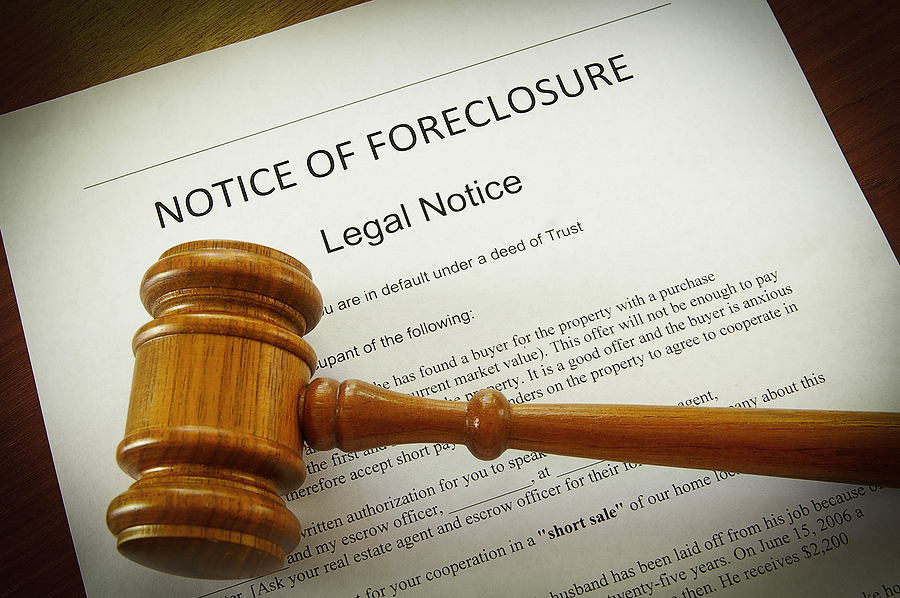

 A financial institution has standing to foreclose on a mortgage when it is the holder or assignee of the subject mortgage. In addition, the financial institution must be the holder or assignee of the underlying note prior to the commencement of the foreclosure action which is initiated by the filing of the Summons and Complaint in the County Clerk’s office of the County in which the action is initiated. When the note is accepted by the assignee the mortgage passes to the new institution. It should be noted the transfer of a mortgage without the accompanying note does not validly transfer the mortgage.