

 Financial circumstances in families’ lives can change. These changes sometimes are of a negative manner. If the family doesn’t make their mortgage payments they face the risk of losing their home and being dispossessed. When a homeowner receives a notice they are in default on their mortgage, or a summons and complaint in a foreclosure lawsuit, action should be taken by the homeowners to deal with the situation. Acting like an ostrich and putting your head in the sand and hoping this goes away simply won’t work!
Hire an Attorney
If you are facing future foreclosure or a foreclosure lawsuit has been started against you, the best way to deal with this is to hire an experienced foreclosure lawyer. The earlier in the proceeding you hire a lawyer the better your chances of success will be.
Loan Modifications
Loan Modifications are one of the ways of dealing with a foreclosure lawsuit and the threat of losing one’s home. Mortgage modifications help you modify your current mortgage arrangement. This can eliminate the threat of losing your home. This may enable you to become current on your mortgage payments.
 The law firm of Schlissel DeCorpo LLP has been helping homeowners keep their homes for more than 45 years. Our office can offer you advice and guidance with the appropriate action to take regarding a foreclosure lawsuit and/or obtaining a mortgage modification. We can be reached for a free consultation at 800-344-6431 or e-mailed at Elliot@sdnylaw.com.
 The financial institution’s attorneys represent what is referred to in a lawsuit as the plaintiff. The attorneys for the homeowner in a foreclosure case represent the defendant. The plaintiff is usually the party that is pushing the case through the courts as quickly as possible to obtain the relief their client wants which is in
  During the past 12 months the prime interest rate has increased from 3.75% to 5.15%. This has created a significant decrease in the buying power of new homeowners. As mortgage rates go up, the cost of borrowing increases. This tends to have a negative impact on the real estate market regarding the sale of residential real estate.
 In the State of New York there is a requirement that all foreclosures involving residential property are subject to mandatory
  In a recent case the Attorney Generals for all 50 States in the United States and the District of Columbia reached a settlement with Wells Fargo Bank. The settlement involves a variety of consumer protection claims and unfair trade practices utilized by Wells Fargo Bank. The settlement was in the amount of $575,000,000.
 A
A  The statute of limitations is set by statute in various types of cases. The statute of limitations to bring a foreclosure case on a defaulted mortgage is 6 years from the date of default or from the date of the acceleration of a mortgage. For a variety of reasons, foreclosure cases sometimes are initiated and then withdrawn, dismissed or discontinued. If a
 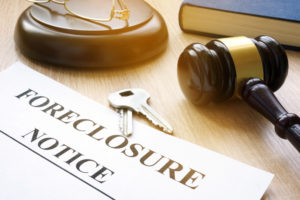 Have you fallen behind on your mortgage? Have you missed more than one mortgage payment? Could it be you’ve missed 2 or 3 or even more mortgage payments? If any of these problems have happened to you, the bank that holds your mortgage may take legal action to come after your home. The legal action taken by the financial institution to take the home back is called a foreclosure lawsuit.
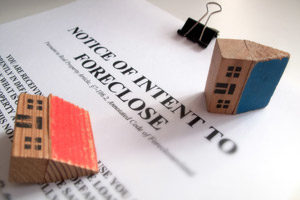 The plaintiff had brought a foreclosure lawsuit on a mortgage. All of the defendants other than Bank of America defaulted. They did not submit an answer to the summons and complaint. The plaintiff moved under court rules for an expedited proceeding. In some foreclosure actions to be eligible for an expedited procedure the plaintiff is required to waive a deficiency judgment.


