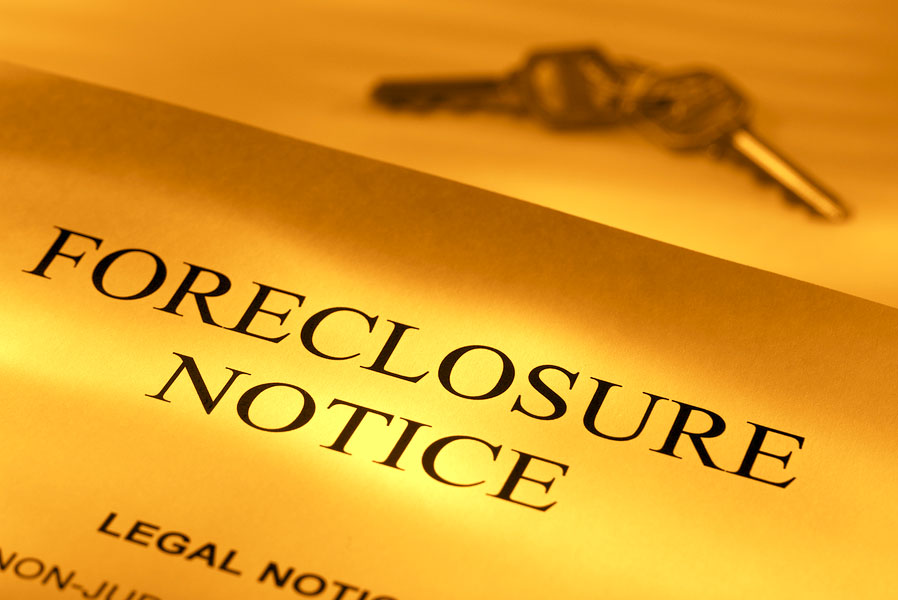


Home Prices Slowly Recover

foreclosure defense for homeownersCurrently, the housing market in the United States is in a recovery stage. However, this recovery is uneven and moving very slowly. The big issue Americans are facing, concerning the recovery of the housing market, is the “fiscal cliff”. If the Democrats and Republicans in Congress cannot reach a resolution that President Obama is satisfied with, there will be huge increases in taxes for the large majority of Americans. These tax increases will have a negative impact on the housing market and the slow moving recovery in real estate prices will be derailed. In addition, the country will most likely end up in another recession.

Fiscal Cliff

One aspect of the “fiscal cliff” is allowing the capital gains tax rate to go back up again from 15% to 20%. The second issue affecting the real estate market is the potential that Congress will put a cap on the Mortgage Interest Tax Deduction. The Mortgage Interest Tax Deduction has been, for many years, has been a tax break that encourages home ownership. If the Mortgage Interest Tax Deduction is capped, this will have a negative impact on purchases of higher end homes.

The Mortgage Debt Forgiveness Act of 2007 allows homeowners whose homes go into foreclosure, are subject to short sale or principal reduction from having to pay income taxes on the amount of debt that is forgiven. This also expires January 1, 2013, and is part of the “fiscal cliff” issue.

If the “fiscal cliff” is averted, it is expected that between June 1, 2013, and June 1, 2014, home prices will increase at a rate of approximately 3 1/2%.foreclosure advocate for homeowners

Foreclosure Rates Climb On Long Island

foreclosure defense for homeownersForeclosure filings rose by almost 20% in Nassau County in July of 2012. This took place even though foreclosure rates fell in this same month by 43% as compared with July of 2011.

Financial institutions were busy in Nassau County in July. They filed to 469 foreclosure cases. Many of the new foreclosure cases filed in Nassau County involved homes that are recent defaults in mortgage payments. During this same time, there were only 216 filings for foreclosure proceedings in Suffolk County.

Barry Smolowitz, the founder of the Suffolk County Pro Bono Foreclosure Settlement Project, recently stated Suffolk County has “a more decentralized” way of processing foreclosure court cases than Nassau. There are a larger number of judges hearing cases in Suffolk County then there are in Nassau. This has had an impact on the administrative process involving foreclosure cases in Suffolk County.”

David Schwartzberg, the foreclosure counsel to the Huntington based Advantage Title, recently stated the foreclosure process is “much more onerous” for banks than it used to be because there are much stricter Federal and State oversight and then there has been in the past.

Early in 2012, the nation’s five largest mortgage lenders reached a $25 billion dollar settlement with both Federal and State agencies dealing with alleged foreclosure improprieties.

Fewer Foreclosed Homes Being Listed For Sale

Real Estate brokers who handle the sales of foreclosed homes have indicated there are fewer foreclosed homes being listed for sale on the market in Long Island. John Fitzgerald, the President of Realty Connect USA, located in Suffolk County stated “we’ve seen a lot less foreclosed homes enter the marketplace then they have in the past.”assistance for homeowners facing bankruptcy

Foreclosure Crisis On Long Island Continues

In the spring of 2012, more mortgages on Long Island were “underwater” than in the spring of 2011. In Nassau and Suffolk counties, 48,546 homeowners owed more on their mortgage then their homes were worth. This amounted to 9% of all the homeowners on Long Island. This number is up 8.4% from of the prior year.

Troubled Homeowners

Peter Elkowitz, the president and chief executive of the non-profit Long Island Housing partnership, stated “we see a lot of people coming in [to the Long Island Housing Authority] whose mortgages are definitely underwater, who need assistance.”  Although the percentage of homes under water is increasing, it is still less than the national average. In the United States, approximately, 10.8 million homeowners find their mortgages to be under water. This represents 22.3% of all homeowners that have mortgages.

Will Homeowners Recover?

If you own a single family home, and its value has decreased by 50 to 70% from the top of the market, it is unlikely the value of your home will recover in the near future to the point where the mortgage is no longer under water.

Employment And The National Economy

The solution to declining real estate values relates to the overall picture of the American economy. When the economy picks up, the allure of owning a single family home will increase again. This will cause home values to increase and the over supply of homes on the market will decrease. Until this happens, most homeowners on Long Island will find their most valuable asset not to be the investment they dreamed it was.

About The Author

Elliot S. Schlissel, Esq. is an attorney with more than 45 years of legal experience representing individuals and families concerning mortgage issues, real estate issues and foreclosure defense matters.

Sentiment Rises Among Companies Building Homes

Home Builders Have A Positive Outlook For The Future

In August, 2012, home builders, in the United States, had a more positive outlook than at any time during the past five years. The National Association of Home Builders has taken the position the housing industry is turning a corner. Although sentiment among homebuilders is higher than it has been for a long time, the overall market conditions in the building of new single family homes is still poor.

Barry Rutenberg, from the National Association of Home builders/Wells Fargo Housing Market Index, stated “while there is still much room for improvement, we have come a long way from the depths of the recession and the outlook appears to be brightening.” Home builders expect sales of single family homes to increase for the next six months.

New Home Sales Are Higher

Sales of new homes are being made at a higher rate in 2012 than they were in 2011. It should be noted 2011 home sales were at the lowest level in half a century. Mortgage rates also are still near record lows. This has been a motivating factor for prospective purchasers with the ability to obtain low cost mortgages. Can the optimism among home builders be indicative the economy in the United States is recovering? This is still questionable. For the economy to recover, the employment rate must be higher than the 8.1% rate that exists today.

It should also be pointed out the economy in Europe is also weak and this will impact on the economy in the United States.

Has The Housing Market Bottomed Out?

In recent weeks there have been numerous articles discussing the bottoming out of the housing market. Recently, a real estate monitoring company’s chief economist issued a statement claiming the decrease in values for single family homes in the United States had bottomed out. And the economist stated “the housing recovery is holding together despite lower than expected job growth due to organic strength of its own.”

New Home Sales And Unemployment

Each time a new home is built in the United States, it has the impact of creating three jobs and generating $90,000 of new tax revenue. This has an overall affirmative impact on the local economy.

Court Denies Interest from Default Data Due to Bank’s Failure to Negotiate in Good Faith

On March 27, 2007, HSBC Bank brought a foreclosure proceeding on a mortgage on property located in Brooklyn. The mortgage on the property was given to “MORTGAGEIT.” The mortgage was an adjustable rate mortgage in the amount of $624,000. A note was also given to “MORTGAGEIT,” as lender.

The borrower on the note and the defendant on the case was named McKenna.  The note showed an undated endorsement on behalf of ” MORTGAGEIT” to HSBC. There was also an assignment of the mortgage on March 2, 2009. The assignment was from the Mortgage Electronic Registration System Incorporated designated the mortgagee as “the nominee for the lender and mortgagee of record” to HSBC.

HSBC had refused to agree to a short sale on the property which had been requested by McKenna. HSBC claimed that McKenna had never been a resident of the property subject to the foreclosure. Therefore, HSBC had no obligation to negotiate with him in good faith.

The court found that HSBC failed to negotiate in good faith. The court ruled that they could not recover the interest on the note and the mortgage from the date of the McKenna’s alleged default.

Conclusion

This court penalized the lender for refusing to act in good faith.  The courts in New York are becoming more aggressive in taking action against lenders who fail to act in good faith.

New York City Home Sales Increase

During the past calendar year, there has been a large increase in the sale of homes in the City of New York. During the third quarter of the 2011 calendar year, the average sale price for properties in the five boroughs increased from $780,000 to $786,000. There were approximately 11,000 properties exchanging hands during this period which is a 6% increase from 2010.

City Housing Market Improves

The price of homes in the City of New York, especially in the boroughs of Brooklyn and Queens, have reached the highest levels since 2007. This is according to Stephen Spinola, the president of the Real Estate Board. He also stated “the slow and steady consistent improvement in the market continues to provide strong evidence that New York City residential sales market has made it out of the woods and should only continue to improve.”

During the foreclosure crisis the average price for the sale of a single family home in the City of New York was approximately $669,000.

Manhattan Has the Highest Sales Prices

Manhattan once again was the borough with the highest average price for condo’s, co-op’s and apartments. The average price was $1.37 million. There has been a significant influx of foreign investors to the Manhattan real estate market according to Seth Hirschhorn, a senior managing director of the real estate group Citi Habitat. Foreign investment has been one of the driving forces in the real estate market in Manhattan.

Home prices in both Brooklyn and Queens are now above the 2007 recession levels. The average sale price of a home in Queen’s county was $411,000 while the average price home in Kings County in the third quarter was $619,000.

Foreclosure Rates Continued to Fall

During the month of September 2012, foreclosure rates on a nationwide basis fell to a five year low. There was a 7% decline in default notices, scheduled auctions and bank repossessions of foreclosed properties from August of 2012.

Manage the Flow of Foreclosures Coming to Market

There are still many homes in foreclosure today. However, the banks have taken the position that they do not wish to flood the market with foreclosed homes. Therefore, they are managing the flow of homes into the foreclosure process to keep it at a steady pace and not further upset the delicate housing market.

Home Affordable Mortgage Program (HAMP)

There are approximately a million mortgages modified by financial institutions under the Home Affordable Mortgage Program (HAMP). In each of these cases, a home was saved from going into foreclosure. Banks are taking a much more aggressive approach to prevent their borrowers from falling into foreclosure.  They are agreeing to short sales in many situations because they actually lose less money through a short sale than through a foreclosure.

Record Low Mortgage Rates

The record low mortgage rates have also had an impact on the housing market. Homeowners with good credit have been able to refinance their mortgages to lower rates. This has kept them out of foreclosure situations.

Conclusion

As the economy in the United States seems to be limping along, so is the housing market. Although foreclosure rates are down and home sales are up, supply and demand are still not at equilibrium. There are still too many homes on the market. In areas such as Nassau and Suffolk County on Long Island, the flood of homes on the market still acts to depress the real estate market for single family homes.

United States Takes Legal Action Against Wells Fargo for Mortgage Fraud

The United States government sued Wells Fargo under the False Claims Act for mortgage fraud. The False Claims Act provides a penalty for fraud against the government and its financial institutions. The government’s pleadings claimed damages and civil penalties from Wells Fargo. The pleadings specifically alleged for a 10 year period, Wells Fargo engaged in reckless deficient training, deficient underwriting and deficient disclosure while having the Federal Housing Administration paid hundreds of millions of dollars on insurance claims for thousands of defaulted mortgages as a result of false certifications by Wells Fargo. Wells Fargo is currently the fourth largest bank in the United States.

Wells Fargo Is Not the First Bank Sued by the Government

The United States government has previously brought lawsuits against Citigroup Incorporated’s unit, CitiMortgage Inc. This lawsuit was settled by Citigroup for $158 million dollars. In a lawsuit brought by the United States governments and against Deutsche Bank, Deutsche Bank paid $200 million dollars. In the largest case brought by the Federal Government, the U.S. Attorney’s Office in Brooklyn took action against Bank of America Corporation’s Country Wide unit. Bank of America settled this suit for 1 billion dollars earlier this year.

The lawsuit brought against Wells Fargo was pursuant to a program that allows banks to originate, underwrite and certify mortgages for FHA Insurance purposes. The lawsuit claims that Wells Fargo did not follow the FHA rules in underwriting their mortgages. Wells Fargo has stated they plan on vigorously defending themselves against this lawsuit.

Conclusion

It is most likely Wells Fargo will seek a monetary settlement related to this lawsuit. This was the road taken by Bank of America, Citigroup and Deutsche Bank when similar lawsuits were brought against them.

Paying Mortgages With Credit Cards

Individuals facing financial difficulties have been utilizing their credit cards to make mortgage payments. Is this a good idea? At the end of the month, when the homeowner does not have sufficient funds in their bank account to make the mortgage payment, it is very easy today to make those payments with credit cards.

There is divided opinion among financial experts whether making mortgage payments with credit cards is a good idea. On one hand this can have a negative impact on the financial situation of the individuals involved. Since mortgage payments generally involve large sums of money, this creates a significant amount of credit card debt. The high dollar amounts of mortgage payments can cause credit card holders to max out the lines of credit on their credit cards. This causes increases in their minimum payments every month. This can also have a negative impact on the individual’s credit rating.

When there is insufficient cash flow to make mortgage payments, making more than one payment on a credit card is generally a bad idea. Should a family not have sufficient funds to pay all of their monthly expenses, the first payment they should make should be their mortgage payment.

Credit Card Interest Rates

Credit card interest rates are substantially higher than interest rates on mortgages. Mortgage interest rates have reached all-time lows of approximately 2 1/2% in recent months. However, credit card interest rates generally run between 12 and 24%. From an interest rate perspective, the long-term costs of the mounting credit card debt are much greater than the expenses related to falling behind on one’s mortgage.

Financial Emergencies

Credit cards are a valuable tool to deal with financial emergencies. Possibly the best solution to the question as to whether to make mortgage payments on credit cards would be to consider the family’s overall financial situation and how much making a mortgage payment on a credit card will increase the monthly credit card payment.

About The Author

Elliot S. Schlissel, Esq. is an attorney practicing law in the metropolitan New York area for more than 34 years. He assists his clients with regard to bankruptcy matters, mortgage modifications and foreclosure defense.

Foreclosure Defense: A Primer

There are a variety of issues an attorney must look into when analyzing the defense of a foreclosure action. One of the first issues that should be investigated is whether the institution initiating the foreclosure action has standing to bring the lawsuit.

Standing To Sue In Foreclosure

The plaintiff, the financial institution, must be the appropriate party to bring the foreclosure lawsuit. The attorney should look into whether the financial institution is the original financial institution and whether assignments from the original financial institution have been made. Have these assignments been filed with the County Clerk or the Registrar of Deeds in the county?

The financial institution must establish it has standing by establishing it is either the holder or the assignee of the mortgage it is foreclosing on.

Ownership Of The Note

Even if the financial institution has possession or ownership of the note, it is still not sufficient to establish they are the holder of the mortgage.  The assignment of the mortgage must take place prior to the initiation of the lawsuit. Assignments cannot be made on a retroactive basis regarding a mortgage.

Real Estate Mortgage Investment Conduit (REMIC) Trust

Many mortgages are maintained by the Real Estate Mortgage Investment Conduit Trust. The assignment of these mortgages must comply with REMIC rules and regulations as set out by the Internal Revenue Service as well as the rules provided in the Pooling and Service Agreement (PSA) which acts as a servicing agent governing the agreements for the trust.

The PSA creates rules concerning how the trust operates. It specifically controls “the exact steps necessary for a trust to be created, bundled, mortgages to be transferred into the trust, issuance of securities by the trust to the depositor on the open market, generally to institutional investors and maintenance of the trust to achieve a favorable [REMIC] tax status. This document exists for each specific trust and it is in the public record available through the Securities and Exchange Commission (SEC) website.  The transfers within the trust require a very specific language. The language is called “recital of the transfer”. This outlines the steps necessary to transfer the mortgage to the trustee.

PSA requires the financial institution to show an unbroken chain of transfers. It also must show deliveries and acceptances of the mortgage note from the original institution to the sponsoring organization that established a securitization of the mortgage and finally to the designated trustee.

Mortgage Electronic Registration System

The Mortgage Electronic Registration System (MERS) acts as a nominee and does not own the mortgage. It therefore lacks authority to assign a mortgage. If there is an assignment of the mortgage to the trust with MERS acting as the assignor this is invalid as it violates the chain of title requirements set up by the PSA.

Time Frame Of Transfers

Besides establishing proper chain of title, the financial institution and its lawyers must show that the note and mortgage were transferred to the trust between the time of the origination and closing dates.  This is usually a period of approximately 90 days. Only during that period can the trust accept the mortgage transfer. If the mortgage transfer takes place outside that 90 day window it is invalid.

About The Author

Elliot S. Schlissel, Esq. has been representing individuals in foreclosure and real estate related problems and mortgage issues in the metropolitan New York area for more than two decades

Courts Impact On The Foreclosure Crisis

Many foreclosure actions spend years tied up in court. This is caused by lenders losing the note. Lenders also have been guilty of sloppy record keeping, loss of documentation of their standing to sue and other violations of court rules and statutes.

Foreclosure lawsuits today, in many situations, are not initiated by the original lenders. The parties bringing the foreclosure action received the mortgages after a series of transfers. It is estimated, millions of mortgage notes have been lost or misplaced. For a lender to bring a foreclosure proceeding it must be the holder or the assignee of both the mortgage and the note.

Show Me The Mortgage Note Defense

Defense lawyers in foreclosure actions now utilize a “show me the note” defense. This has allowed defaulting borrowers to hold off the foreclosure proceeding from going forward while the foreclosing lender or servicing organization looks for the note. Sometimes while looking for the note, they ascertain they do not physically hold the note and they cannot find out where it is.

How Courts In New York Handle Cases Involving Lost Mortgage Notes

Courts in New York can proceed with foreclosure proceedings even without a mortgage note. To accomplish this, the lender must show to the Court it owns the note. They must present to the Court the facts preventing the production of the note and present to the Court the terms of the note. The lender has to provide the Court with a detailed explanation of the note’s chain of transfers. This is to prove that the prior note holders had the intention to transfer the mortgage and that the current note owner is the rightful recipient of the mortgage.

Financial Institutions Proving Ownership Of The Notes

For financial institutions to prove the ownership of the note they must produce a valid assignment of the note or, in the alternative, they must show the note was physically hand delivered to them. Determining what actually constitutes the physical delivery of the note may vary on a case to case basis.

Lost Mortgage Notes

If the lender can demonstrate to the Court it owns the note it then must provide the Court with a logical explanation of why the note was lost. The lender has the burden of proving the terms of the lost note. To prove this, the lender must provide the Court with information concerning the name of the last holder of the note, the name of the borrower, the name of the person who signed on behalf of the borrower, the type of note, the effective date of the note, the value of the note, the payment terms of the note, the loan number and currently how much is unpaid under the note. The person providing evidence of this information must have personal knowledge of all of this information.

Conclusion

Lenders have heavy burdens to meet before they can successfully bring foreclosure proceedings in New York State Courts when they can’t produce the note or provide documentation of the assignment of the note.

Foreclosure Defense in Valley Stream, Lynbrook, Baldwin, Malverne, Freeport, Oceanside, Long Beach, Elmont, Lakeview, West Hempstead, Hempstead, Merrick and Bellmore, New York

We represent individuals throughout the New York Metropolitan area with divorce and child custody, personal injury, car accident, wrongful death, estate administration, nursing home and medicaid issues

The information you obtain at this website is not, nor is it intended to be, legal advice. You should consult an attorney for individual advice regarding your particular legal issue. This is attorney advertising.

This is attorney advertising. This website is designed for general information purposes only. The information presented on this website shall not be construed to be legal advice. If you have a legal problem you should consult with an attorney.

Copyright © 2018 By The Law Offices of Schlissel DeCorpo. All Rights Reserved.