

Strategic Default

foreclosure assistance for homeownersMortgage Basics

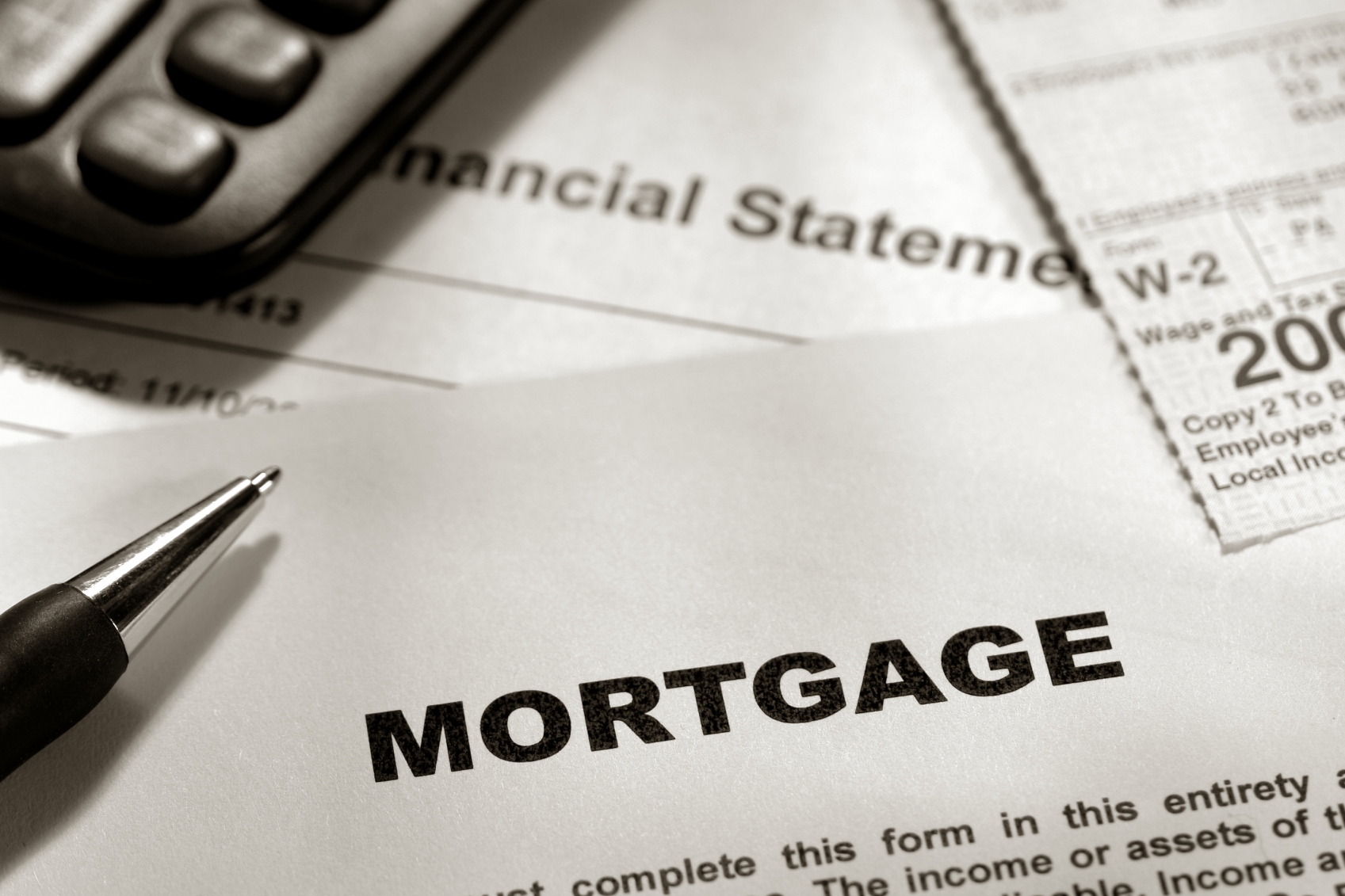
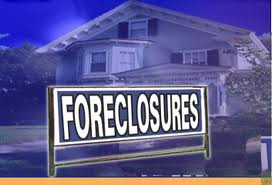
Individuals who take out a mortgage or refinance a mortgage generally execute two types of documents. The first is a promissory note. A promissory note is simply an “I owe you.” It creates a financial liability to repay the amount borrowed. The second item that is executed at the time of the closing is a mortgage. The mortgage is the document that secures the debt obligation. The mortgage provides the bank with a lien on your property. If you don’t make the mortgage payments the bank forecloses and sells your property at auction.

What Banks Do When You Don’t Make Payments

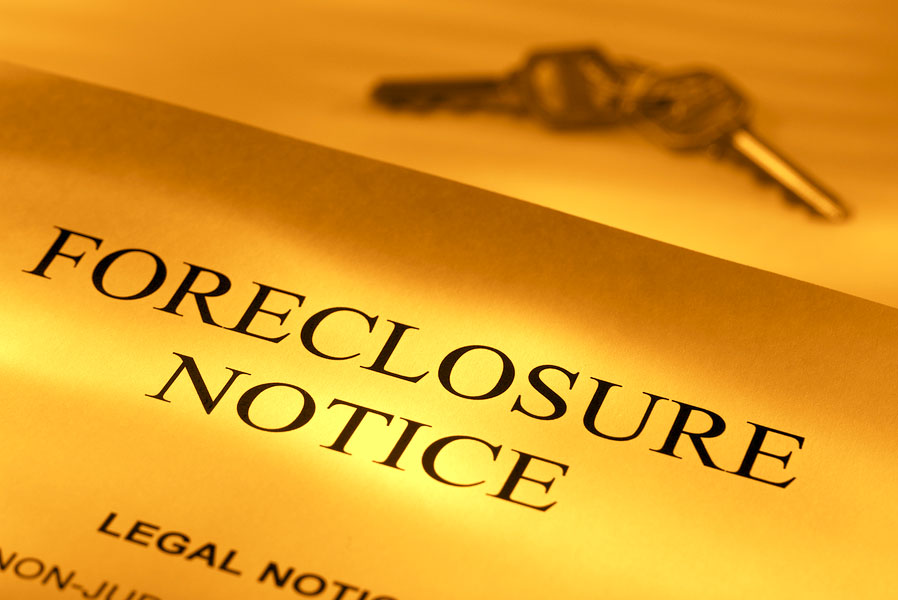
The first thing a bank does if you stop making your mortgage payments is they analyze the value of your home and its liquidation ability to pay the loan off. They then hire an attorney and the attorney files a foreclosure legal action on behalf of the bank.

Deficiency Judgment

If when your home is sold in the foreclosure sale, the amount received by the bank is insufficient to pay off the promissory note, a deficiency exists. A bank can bring a second lawsuit to obtain a judgment against you and force you to pay this deficiency amount. Here is an example. Your home is worth $300,000. But you owe $400,000 on it related to your mortgage. You fall behind and the bank takes legal action against you and eventually they sell your home. At the time of sale a speculator buys your home for $200,000 ($100,000 less than it is actually worth. This often happens because at foreclosure sales, speculators bid cash on homes that they know very little about other than an appraisal from the exterior and review of what other homes in the area sold for).

The bank receives only $200,000 from the transaction when you owe them $400,000. That leaves a deficiency against you of $200,000. The bank can sue you and obtain a judgment for that $200,000. One remedy you would have would be to thereafter file bankruptcy and eliminate the balance of the deficiency.

Strategic Default and How It Works

A strategic default involves taking into consideration whether your home is under water and it may never be worth the value of the mortgage. You simply stopped making your mortgage payments. Thereafter later on you negotiate a short sale, a mortgage modification, or a deed in lieu of foreclosure.

Strategic default means you are simply walking away from your mortgage. It takes place when a borrower decides he or she is going to intentionally not pay his or her mortgage because it no longer is financially practical. This usually occurs when the house is under water (worth significantly less than the amount of the mortgage).

Strategic default should not be undertaken without sound legal advice from an experienced attorney who has handled numerous transactions of this nature. There are a variety of pitfalls that can take place concerning a strategic default. If you are considering walking away from your home and/or mortgage because you can’t afford to pay it, feel free to call our office for a consultation. This is not a matter that should be taken lightly. Although a strategic default may be appropriate in some situations, there are many situations where it is not.
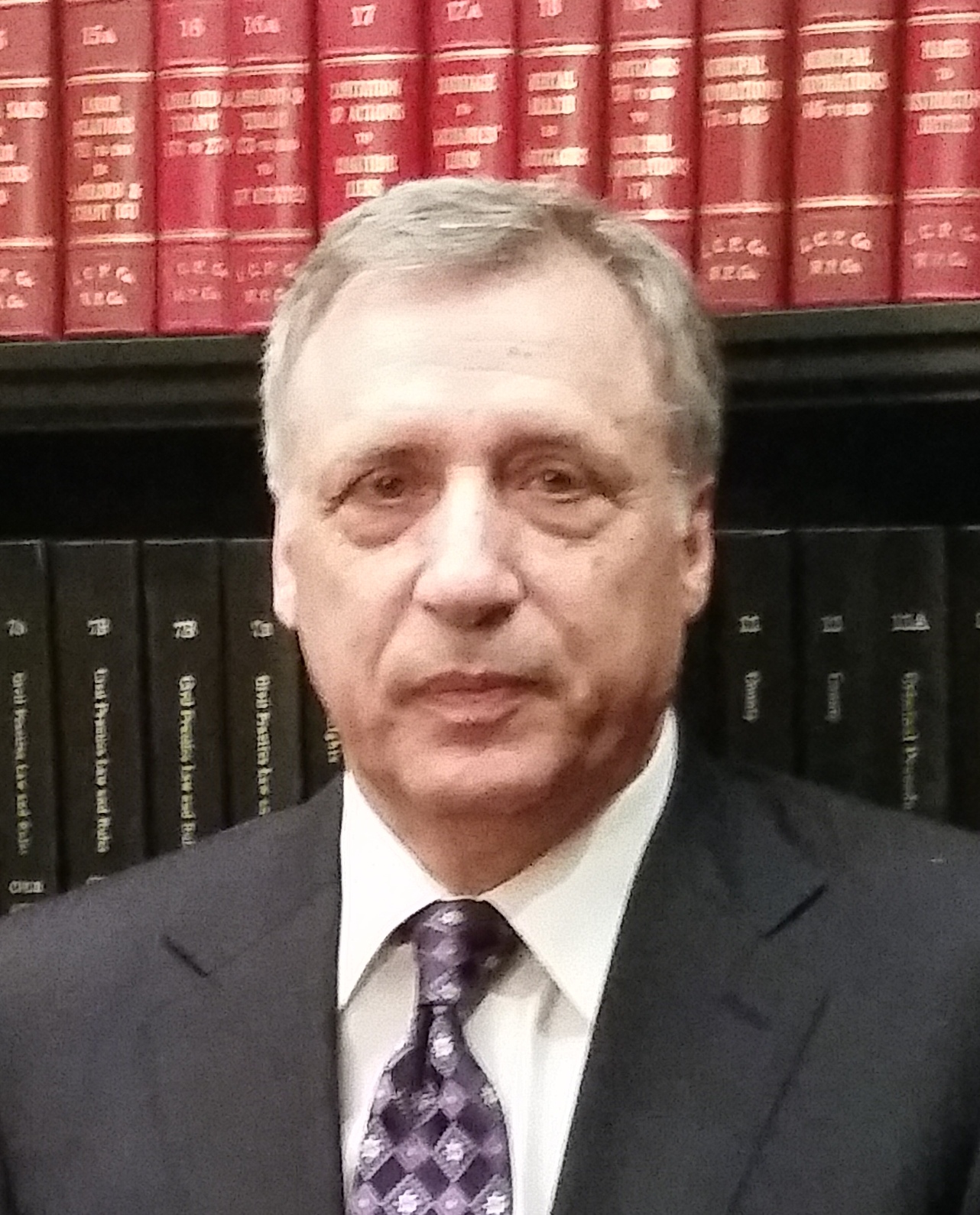
assisting homeownersElliot S. Schlissel is a foreclosure lawyer. He has helped scores of his clients stay in their homes and fight foreclosure proceedings. Elliot sues banks and other financial institutions who have broken laws, failed to obtain appropriate assignments, and who do not have appropriate standing to bring foreclosure lawsuits. His phones are monitored seven days a week. Call for a free consultation.

FHA Gives Homeowners a Second Chance to Buy a Home

foreclosure defense for homeownersThe Federal Housing Authority (FHA) has a new program which will stay in effect until September 30, 2016. This program offers homeowners who have lost their homes due to short sales, whose homes have been sold in foreclosure, or who have given deeds in lieu of foreclosure back to financial institutions, a second opportunity to purchase a home. In the past, if a consumer lost their home related to a foreclosure case, they would have to wait thirty-six months before they could apply for a new FHA loan. However, under this new program, they would only have to wait twelve months after a foreclosure sale or a short sale to apply for a new FHA loan as long as they can document the financial issues that caused them to lose their prior home.

Reduction in Income

If the prospective homeowner can show that they had a loss of income of twenty percent or more for a minimum of six months prior to the loss of their home, it will help them qualify under this new program.

Credit Score

Under the new FHA program, the homeowner will need a credit score with a minimum of 640. In the event the prospective homeowner could not meet this credit score requirement, they must go through a HUD approved counseling agency concerning the issue of home ownership and residential mortgage loans.

The homeowner should be aware that supporting documentation with regard to any financial issues, hardships, illness, loss of employment or other problems that caused the individuals to lose their initial home must be fully documented. A letter explaining the situation will not be sufficient to qualify for this new FHA program.

Conclusion

FHA is extending themselves to homeowners and giving them a second chance that has never previously been offered to families who have lost their homes.

helping homeowners stay in their homesElliot S. Schlissel is a foreclosure defense lawyer. Elliot and his staff of attorneys represent individuals and families throughout the Metropolitan New York area whose homes have been foreclosed upon by financial institutions and mortgage companies. Elliot assists his clients in mortgage modifications. In addition, Elliot brings lawsuits against financial institutions who have broken laws, failed to obtain proper assignments and who do not have standing to bring their foreclosure lawsuits. Elliot has an unparalleled record of success in keeping his clients in their homes after foreclosure proceedings have been initiated against them.

New Federal Mortgage Disclosure Requirements

mortgage and foreclosure attorneyThe Consumer Financial Protection Bureau has propounded new mortgage disclosure requirements. Financial institutions and mortgage lenders will need to provide individuals and families who take out mortgages with much more detailed disclosure material at the time of closing on the loan. The new disclosure requirements replace the existing Truth in Lending Statements, HUD-1 Settlement Statements and the present Good Faith Estimate Disclosure Statements required to be provided by financial institutions.

Three Business Day Requirement

All individuals applying for loans must receive, under these new requirements, loan estimates within three business days. These loan estimate disclosure documents must provide the specific loan terms and the estimated expenses the borrower will incur at the time of closing on the transaction. A second additional disclosure statement will also have to be provided to the individuals taking out a mortgage within three business days before the actual closing takes place. This disclosure document will need to provide a detailed accounting of all aspects of the mortgage loan transaction.

Effective Date August 1, 2015

The new rules promulgated by the Consumer Financial Protection Bureau will go into effect on August 1, 2015. All loans processed after that date will require the dual disclosures discussed above.

Financial institutions and mortgage companies have been modifying their procedures to deal with these new rules and regulations that will go into effect in approximately a year and a quarter. These changes to the disclosure requirements which providers need to give consumers, are the most significant changes and modifications regarding mortgage loan disclosures that have taken place in decades. It is hoped that these new disclosure requirements will educate consumers as to how much they are borrowing, how much it will cost them, and whether they can afford to take the mortgage they seek to obtain.

foreclosure advocate for homeownersElliot S. Schlissel is a foreclosure attorney. He has helped scores of New Yorkers stay in their homes and fight off foreclosures. Elliot and his staff of attorneys also assist their clients in filing Chapter 7 bankruptcies, Chapter 13 bankruptcies, and applying for mortgage modifications. Elliot’s greatest satisfaction is when he can help the families he represents continue to live in their homes.

Rabbi Unable to Stop Foreclosure on Synagogue

foreclosure advocate for homeownersValley National Bank brought a foreclosure lawsuit with regard to a synagogue in Brooklyn. In 2008, the synagogue borrowed $500,000 from State Bank of Long Island. This bank thereafter merged with Valley National Bank. The congregation of the synagogue alleged that the synagogue had two functions. It was a place of prayer and it was the principal residence of the rabbi and his family. They claim “this dual property function had existed since 1970 when the present rabbi’s grandfather established a congregation at its present location.

In such Hasidic Sects, the Shtiebel is the rabbi’s home and his presence is the essence of the Shtiebel.” The congregation alleged in their papers when the mortgage was taken out, the bank was made aware Rabbi Teitelbaum’s residence was located on the site of the synagogue.

A Residential Foreclosure?

The congregation argued that the foreclosure was therefore a residential foreclosure. It should therefore have been in a residential foreclosure part and not in a commercial foreclosure courtroom. As a residential foreclosure, Rabbi Teitelbaum was entitled to notice pursuant to New York Real Property Actions and Proceedings Laws concerning the residential foreclosure.

Bank Argues Rabbi Teitelbaum Has No Standing

The foreclosing bank’s position was that Rabbi Teitelbaum was not a necessary party to the foreclosure lawsuit. They claimed it was a commercial loan and he was not a signatory on the loan. The bank’s attorneys stated in their papers, “instead of presenting a modified defense to [Valley National Bank’s] claims, borrower obfuscates by mischaracterizing the facts in attempts to divert attention from its acknowledged commercial loan default by repeatedly alleging that the rabbi and his family actually reside in the synagogue that is the mortgaged commercial premises.”

Judge Holds Property is Not Residential

The judge on the case rendered a decision that the property at issue was a religious structure and not residential property. The judge went further on to hold Rabbi Teitelbaum was not an indispensable party to the lawsuit. Judge Carolyn Demarest rejected the argument submitted by Teitelbaum. She held that even though he lived on the premises, he was not a signatory to the loans, promissory note, or the mortgage. He therefore was not an indispensable party to the lawsuit.

When Judge Demarest was presented with a similar case where the Appellate Division, Second Department made a different ruling, she stated, “in this action, defendant does not establish that Teitelbaum has a lease to the property and even it Teitelbaum does have a lease he may not be dispossessed by a purchaser at a foreclosure sale absent further proceedings.” With this, she was referring to the fact in the event the bank took title to the property they would still have to bring an eviction proceeding to get Rabbi Teitelbaum, his wife and eight children, off the property.

Conclusion

This is a very close call made by Judge Demarest. I would suggest Rabbi Teitelbaum appeal this decision to the Appellate Division of the Second Department. He may be able to persuade them that he should be named as a party because he was a tenant, even without a lease. Month to month tenants are still tenants and they should be named in all foreclosure lawsuits as interested parties.

helping homeowners stay in their homesElliot Schlissel is a foreclosure attorney representing individuals and families in residential or commercial foreclosure lawsuits throughout the Metropolitan New York area. Elliot and his staff of dedicated lawyers have an excellent success rate in keeping families in their homes and stopping foreclosure lawsuits in their tracks.

Uniondale Marriott Hotel on Long Island in Foreclosure

foreclosure assistance for homeownersOne of Long Island’s largest hotels has had a foreclosure lawsuit initiated against it. The Long Island Marriott Hotel and Conference Center located in Uniondale, New York is in foreclosure. The hotel is owned by the New York Islanders’ owner, Charles Wang.

The financial institution that loaned the New York Islanders and Charles Wang $103,000,000 in 2007 has brought a foreclosure proceeding in the Supreme Court in Nassau County located in Mineola, New York.

It is estimated the amount owed on the mortgage loan on the Marriott Hotel is more than $125,000,000. The hotel had been valued in the year 2010 at approximately $150,000,000. In a recent appraisal, it was valued at $63.4 million.

Mr. Wang had initially purchased the hotel in 2005 from Marriott. He took this action as part of his Lighthouse plan to revitalize the area around the Nassau County Coliseum. In 2007, Scott Rechler of RXR Realty purchased the hotel. He was a partner of Wang with regard to the project. The Lighthouse Project which was proposed to revitalize the area around the hotel never came to fruition. Eventually, Wang bought the hotel back from Scott Rechler.

Wang had proposed to Nassau County they fund the renovation of the Coliseum. However, when this was submitted through a referendum, the voters in Nassau County voted it down. In 2012, the New York Islanders announced they were moving to the Barclays Center in Brooklyn and they would be permanently leaving Nassau County.

In 2013, Nassau County Executive Mangano entered into an agreement with Bruce Ratner, whom he had selected to renovate the Coliseum.

Conclusion

It is a sad state of events when the largest hotel in Nassau County is in foreclosure.

helping homeowners stay in their homesElliot Schlissel is a foreclosure attorney. He represents individuals in foreclosure lawsuits and mortgage modification applications throughout the Metropolitan New York area. He has been helping homeowners stay in their homes and fight foreclosure lawsuits for more than 45 years.

Citibank Fails to Show it Has Standing to Bring a Foreclosure Proceeding

foreclosure defense for homeownersIn a case before Justice Carolyn Wade, in the Supreme Court of Kings County, in a Foreclosure Part, CitiMortgage moved for summary judgment in a foreclosure lawsuit. The bank submitted a copy of a note which the Williamsons, the defendants in the proceeding, executed. The note was payable to Premium Capital Funding. The Williamsons acknowledged they had this debt and that they had executed a mortgage to Premium Capital Funding. Premium Capital Funding had executed an assignment of the mortgage to CitiMortgage.

The defendants had submitted arguments the plaintiffs’ affidavits which were submitted do not conform with New York State Law and therefore should be considered defective. They also claimed there was an endorsement on the allonge which was also defective.

Bank Does Not Have Standing to Bring The Foreclosure Lawsuit

CitiMortgage failed to establish it was the appropriate holder of the note. Justice Carolyn Wade rendered a decision stating that Citibank failed to submit the documentation substantiating that CitiMortgage was the appropriate successor to CitiFinancial Mortgage Company. CitiFinancial Mortgage Company was the name of the institution which Premium Capital Funding had assigned the note and mortgage to.

Note Not Physically Delivered

Justice Wade in her decision also indicated CitiMortgage failed to establish it was the actual holder of the original note and mortgage by way of physical delivery. The Judge’s decision went on to state the allonge and note were undated and had not been affixed to the mortgage. (It should be noted that an allonge is a document which modifies, changes, and provides further information with regard to a mortgage). Judge Wade in her decision also stated an out of state affidavit needs to be accompanied by a Certificate of Conformity in the appropriate admissible form before it can be accepted in a proceeding in a New York State court. The affidavits herein were not in conformity and therefore are considered defective. CitiMortgage’s application for summary judgment was therefore denied.

Conclusion

Time and time again in the numerous articles I have written, lack of standing affirmative defenses have been successful in preventing banks from successfully bringing summary judgment motions in foreclosures. It is therefore extremely important in every foreclosure lawsuit the defendants allege a lack of standing argument. Until the lawsuit is initiated and discovery takes place within the confines of the lawsuit, it is usually impossible to ascertain as to whether the appropriate financial institution is bringing the foreclosure legal action. Stated in another form, the defendant homeowners don’t know whether the right party is suing them and therefore it is necessary to allege a lack of standing affirmative defense in all cases where the plaintiff in the foreclosure lawsuit is not the original financial institution that granted the mortgage loan.assisting homeowners

Homeowner Seeks to Rescind Mortgage Loan in Foreclosure Proceeding

mortgage and foreclosure attorneyBank of New York Mellon (hereinafter referred to as “BNYM”), had brought an application for summary judgment against the Kahn defendants in a foreclosure legal action. BNYM sought to have the Kahn’s Answer and Counterclaims dismissed. The Kahn’s cross-moved for partial summary judgment. They claimed, in their counterclaim, there was a violation of the Truth in Lending Act.

Mortgage Loan Assigned

The Kahns, after initially purchasing their home, refinanced their mortgage with Countrywide Home Loans. Countrywide Home Loans assigned the mortgage to BNYM. BNYM had initiated the proceeding to foreclose on the Kahns’ home. The Kahns had submitted an Amended Answer. In their Amended Answer they sought to assert a rescission claim. This rescission counterclaim alleged a violation of the Truth in Lending Law by Countrywide Home Loans. They claimed that Countrywide had understated the finance charges by more than $35 in the required Mortgage Financial Disclosure Statement. They claim this was a material misrepresentation in the mortgage disclosure statement. BNYM argued the rescission claim was not presented in a timely manner. They claimed the Amended Answer was served more than three years after the time of closing and therefore in violation of the statute of limitations with regard to the legal theory of rescission.

Relation Back Doctrine Doesn’t Toll the Statute of Limitations

Judge Anil Singh ruled the relation back doctrine alleged by the Kahns did not apply in deciding whether a claim to rescind a transaction was timely made. Judge Singh also noted when rescinding a transaction the timing of the rescission notice is based on when the creditor receives the notice. In this case, Judge Singh held the notice to rescind the matter was received more than three years after the transaction took place and therefore was beyond the statute of limitations for rescinding the transaction. Therefore Judge Singh held the Kahns could not assert the right to rescind this transaction in their counterclaim in the pending foreclosure proceeding. Summary judgment by BNYM was granted and the Kahns partial summary judgment was denied.

Conclusion

The Kahns in this case created a very innovative defense to the foreclosure proceeding. Their defense basically stated there had been a violation of the Truth in Lending Law, albeit a very small violation, involving $35 by Countrywide Home Loans at the time of the refinance. Therefore because of this violation they were rescinding the entire transaction. The court in this case held there was a three year statute of limitations with regard to rescinding a transaction of this type. Therefore the Kahns had to provide Countrywide Home Loans notice with the rescission within three years from the date of the closing. In this case, the Kahns provided Countrywide Home Loans notice of the rescission as part of a counterclaim alleged more than three years after the date of closing. Judge Singh held the Kahn’s argument that their counterclaim, submitted in the foreclosure lawsuit, should be considered to be related back to the time of the closing.

I like the argument. If I was the judge, I would have upheld it!homeowner advocates

Court Bars Collection of Interest and Fees on Loan For Failure of Mortgage Company to Negotiate in Good Faith

foreclosure settlement attorneysJustice Kenneth Sherman sitting in the Supreme Court Foreclosure Part in Kings County recently had a case before him involving what he felt was the bank’s failure to negotiate in good faith at the mandatory foreclosure settlement conferences. A special referee had written a report requesting all interest be tolled on a loan provided by American Home Mortgage Servicing (hereinafter referred to as “AHMS”) and they be further barred from collecting attorney’s fees related to their initiating a foreclosure legal action. Judge Sherman acknowledged receipt of the report and scheduled the matter for a hearing to decide if American Home Mortgage Servicing had engaged in bad faith negotiations at the mandatory foreclosure settlement conferences.

Statute Requires Good Faith Negotiations

Judge Sherman noted mandatory settlement conferences were required with regard to all foreclosure lawsuits brought concerning residential mortgages. In this case, the defendant was a resident of the property that was being foreclosed on. The enabling statutes creating the mandatory residential foreclosure conference parts mandated all parties negotiate in good faith at these foreclosure settlement conferences. Judge Sherman stated in his decision American Home Mortgage Servicing was represented by an attorney at the settlement conferences. However, the attorney for American Home Mortgage Servicing did not have the appropriate contractual authority to negotiate a loan modification in good faith which would resolve this foreclosure proceeding. The court specifically stated in its decision that on April 23, 2009, and on October 5, 2010, the attorneys for American Home Mortgage Servicing failed to appear by an attorney who had actual knowledge, ability and authority to negotiate a mortgage modification in a meaningful manner. Therefore the Judge ruled AMHS did not comply with New York Civil Practice Law and Rules Section 3408(c). This statute requires all parties to foreclosure court conferences negotiate in good faith. The court therefore barred AHMS from collecting any claimed interest, penalties and attorneys’ fees or costs incurred from the loan from April 23, 2009 to October 5, 2010.

Conclusion

Financial institutions are legally obligated under New York law to negotiate in good faith for the purpose of working out mortgage modifications at the mandatory foreclosure court conferences. Financial institutions who are represented by attorneys who have no real authority to work out reasonable loan modifications can be considered to have acted in bad faith, and in violation of New York State law.

foreclosure advocate for homeownersElliot Schlissel is one of the leading foreclosure defense attorneys in the Metropolitan New York area. For more than 45 years he has helped his clients fight foreclosure proceedings, obtain mortgage modifications and continue to live in their homes. He offers free consultations to all prospective clients.

Bank Fails to Prove it Has Standing on Date Foreclosure Action Started

foreclosure defense lawyerJustice David Schmidt, sitting in the Supreme Court Foreclosure Part in Kings County recently had a case before him concerning a foreclosure on a home where the defendant submitted a lack of standing defense. The foreclosure action was brought by US Bank as the trustee for Morgan Stanley Mortgage Loan Trust (hereinafter referred to as “MSMLT”). During the course of this proceeding, the attorneys for MSMLT brought a summary judgment motion against the defendants. (A summary judgment motion is a motion that alleges there are no questions of fact concerning the issues in the case and therefore the moving party should be entitled to judgment without the necessity of having the case go to trial).

The defendants submitted seven affirmative defenses in their answer. One of those affirmative defenses alleged the bank lacked the standing to bring this foreclosure lawsuit.

Lack of Standing

MSMLT argued that the defendants defaulted on the note due to the failure to make timely mortgage payments. The defendants had not made mortgage payments for a period of two years before MSMLT had started the lawsuit to foreclose on the their home. MSMLT alleged in their pleadings they were the holder of the note and mortgage which had been endorsed in blank and delivered to them before the lawsuit was initiated.

Justice David Schmidt denied the plaintiff’s application for summary judgment. He took the position the attorneys for MSMLT had failed to offer evidence of their standing to bring the foreclosure proceeding against the defendants. They failed to prove they had the note at the time of the commencement of the action. Judge Schmidt found there were triable issues of fact regarding delivery of the note from the original lender and endorser, Hemisphere National Bank, to MSMLT. The court further stated in its decision MSMLT made conclusory statements it had “continuous possession” of the note. These conclusory statements were not sufficient to establish standing in the eyes of the judge. The judge ruled plaintiff’s allegations that equated the possession of the note with the Uniform Commercial Code’s requisite delivery requirements was not convincing and therefore he denied the motion.

Conclusion

In each and every foreclosure lawsuit, the attorneys for the homeowners should allege a lack of standing defense. Our office has had numerous cases where banks have been unable to successfully foreclose on our client’s property due to their failure to prove they had standing to initiate the foreclosure lawsuit.

assistance for homeownersElliot S. Schlissel is one of the leading foreclosure lawyers in the Metropolitan New York area having helped scores of his clients to stay in their homes and fight foreclosure lawsuits.

Mortgage Lenders: Are There Differences Between Them?

foreclosure defense lawyerThe first thing most prospective homeowners think about with regard to a mortgage is, what will be the interest rate? Obviously, the lower the interest rate, the less the mortgage will cost the consumer. However, there are other important issues to think about when applying for a mortgage.

What Type of Institution is Best For You to Deal With

Large national banks in some areas of the country dominate the mortgage marketplace. Examples of these types of banks are, JP Morgan Chase, Citibank, and Bank of America. Large financial institutions set their own guidelines with regard to underwriting requirements for mortgage loans. Most large financial institutions do not pay commissions to third party mortgage brokers. This brings the cost of obtaining a mortgage from a large financial institution down. These banks will, if you take a mortgage out from them, provide you with incentives such as paying you higher rates of interest on savings and checking accounts. If you deal directly with a large banking institution, you should try to develop a rapport with the individual at the bank handling your transaction. This will be helpful to you should there develop problems in the underwriting process.

Online Financial Institutions

The internet provides its own marketplace for financial institutions to advertise regarding mortgage loans. Online financial institutions are better suited to refinancing mortgage loans than initiating mortgage loans on the purchase of a home. Sometimes problems arise when dealing with online lenders because they are not located in the community and may not be familiar with the problems in the local real estate market. There is a benefit from dealing with a financial institution on a face to face basis.

Do You Need a Mortgage Broker?

Mortgage brokers are not technically working for a financial institution. They are middlemen who usually work on a commission basis. They may have contacts with a number of lending institutions. They can be helpful to you with regard to properly filling out the necessary forms required in a mortgage application. They also may be in a position to shop around for the best deal you qualify for. In special situations where you have a problem related to your property or your property is of a unique nature they may be able to find a financial institution to specifically fit your needs. They can also run interference for you with the financial institution and eliminate some of the busy work you may need to do with a direct lender. You should take into consideration however, since they are a middleman, and they will be working for commission, they may bring up the cost of the acquisition of your mortgage.

Conclusion

The purchase of a single family home is usually the largest transaction an individual or family will be involved in. Care should be taken when applying for a mortgage to see that the type of institution and deal you are offered is the most appropriate one for your particular circumstances.

assisting homeownersElliot S. Schlissel is a foreclosure defense lawyer. Elliot has published several hundred articles with regard to foreclosures, mortgage modifications, and other real estate issues. Elliot and his staff of attorneys represent homeowners having financial difficulties and who face foreclosure lawsuits in the Metropolitan New York area. Elliot and his attorneys have developed an expertise in dealing with financial institutions, helping their clients obtain mortgage modifications, and stopping financial institutions from successfully foreclosing on their homes when they fall behind on their mortgage payments. He offers free consultations to prospective clients.

Foreclosure Defense in Valley Stream, Lynbrook, Baldwin, Malverne, Freeport, Oceanside, Long Beach, Elmont, Lakeview, West Hempstead, Hempstead, Merrick and Bellmore, New York

We represent individuals throughout the New York Metropolitan area with divorce and child custody, personal injury, car accident, wrongful death, estate administration, nursing home and medicaid issues

The information you obtain at this website is not, nor is it intended to be, legal advice. You should consult an attorney for individual advice regarding your particular legal issue. This is attorney advertising.

This is attorney advertising. This website is designed for general information purposes only. The information presented on this website shall not be construed to be legal advice. If you have a legal problem you should consult with an attorney.

Copyright © 2018 By The Law Offices of Schlissel DeCorpo. All Rights Reserved.