

Foreclosures: The Note and Mortgage
 When a homeowner decides to buy a home he or she must obtain the finances to pay for the home. The homeowner usually goes to a financial institution, submits an application and if they are approved they receive a loan. There are two (2) parts to the loan them receive. The first part is a note.
The Note
The note is a written agreement that the financial institution is lending a homeowner money and it contains the homeowner’s agreement to repay the money. The note includes the terms and conditions of the repayment: such as whether the note is to be repaid in 15 years or 30 years. It also includes the rate of interest charged on the loan and the late charges, fees and expenses. In simple terms, a note is an IOU.
The Mortgage
The mortgage is a contract that gives the financial institution, lender, a lien on real property. In simple terms, the home is the collateral that secures the note for the financial institution. The terms of the mortgage spell out what the financial institution can do should the requirements of repayment in the note and mortgage are not met by the homeowner. What the mortgage lender usually does is they foreclose on the mortgage for the homeowner’s failure to make the timely, monthly payments required by the note.
 The law firm of Schlissel DeCorpo LLP has been helping families deal with mortgage and foreclosure problems for more than 30 years. We can be reached at 718-350-2802, 516-561-6645 or 631-319-8262 or by e-mail at info@sdnylaw.com.
Foreclosures and Loan Modifications
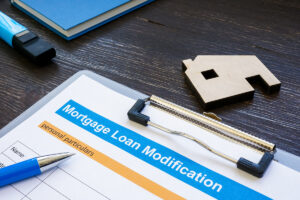 Obtaining a loan modification is one of the potential routes to save a home from the foreclosure process. There was a time in New York, and in the United States, when there were a variety of Federal and State programs which helped homeowners who had fallen behind in their mortgage due to unforeseen financial circumstances or other issues which caused them to fall behind on their mortgage payments. However, except for programs that help veterans, there are very few options today regarding mortgage modifications other than dealing with the financial institution which currently holds the mortgage on the homeowners’ homes.
Mortgage Modification Process Substitute
The application process for a mortgage modification can be cumbersome and it may be difficult to meet financial institutions requirements to obtain the modification. A mortgage modification application needs to be submitted with the necessary supporting paper work and documentation required. In many instances a hardship letter will also be necessary. A follow-up process needs to be undertaken to see to it that the financial institution actually gives the mortgage application the appropriate time and consideration necessary to end up with a positive response. During the past few years the criteria for a homeowners to obtain a mortgage modification has become more cumbersome and more difficult.
A law firm that represents homeowners in foreclosure cases can help the homeowner to successfully navigate through the modification process. Elliot S. Schlissel is the managing partner of Schlissel DeCorpo LLP a law firm that has been helping consumers with mortgage problems for decades.
The law office of Schlissel DeCorpo have been defending homeowners regarding mortgage issues for more than three decades. They can be reached at 516-561-6645, 718-350-2802, 631-319-8262 and 914-998-0080 or emailed at Elliot@sdnylaw.com.
Foreclosures and Settlement Conference Requirements in New York
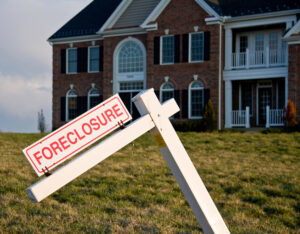 The State of New York has a law which states in all foreclosure cases regarding residential homes that have less than 5 families in them and serves as the principal place of residence of the borrower a “settlement conference” is required to be held. At the settlement conference there will be court attorney referee or a judge which presides over the conference. The specific purpose of the conference is to determine whether the homeowner is qualified to obtain a modification of the mortgage, or is there another way the homeowners can save their home from being sold in a foreclosure sale.
At the foreclosure settlement conference a schedule is set up whereby the homeowner has to comply with the mortgage modification application process. This includes submitting an application in a form provided by the lender, following up to provide documentation of financial circumstances and credit worthiness of the homeowner. In circumstances where the homeowner qualifies for the modification of the mortgage there will usually be a period of 3 or 6 months regarding trial payments. The borrower/homeowner must make these trial payments in a timely manner.
Failing to Qualify for a Mortgage Modification
In cases where the homeowner fails to qualify to obtain a mortgage modification, the court attorney referee or judge will issue an order releasing the case to a trial part for further litigation action regarding the foreclosure. Usually after the case is released to a trial part the attorneys for the financial institution will bring a motion for summary judgment against the homeowner. In many situations this amounts to a trial on paper whereby the financial institution’s attorneys provide documentation of the homeowner’s default in making payments on the mortgage. The financial institution’s attorneys will request that a special referee be appointed to compute damages as to how much the homeowner owes to the financial institution and to eventually sell the property at a foreclosure auction sale. If the homeowner is represented by an attorney, the attorney for the homeowner will submit opposition papers to this application by the financial institution for summary judgment foreclosure and sale. If the homeowner’s attorney has included counterclaims or affirmative defenses in the foreclosure answer, the attorney at this time can cross move to dismiss the case based on the counterclaims or affirmative defenses.
In cases where a homeowner and their attorney has been successful in opposing the summary judgment motion, the Judge handling the case will eventually schedule the case for a trial.
The law office of Schlissel DeCorpo have been defending homeowners regarding mortgage issues for more than three decades. They can be reached at 516-561-6645, 718-350-2802, 631-319-8262 and 914-998-0080 or emailed at Elliot@sdnylaw.com.


