

 Homeowners who miss making mortgage payments may be facing the risk of being placed into foreclosure. A foreclosure, is a legal proceeding designed to effectuate the bank taking the house back from the homeowner and thereafter evicting the homeowner from their homes.
AVOIDING FORECLOSURE
The best way to deal with the foreclosure is to avoid it. Homeowners who are falling behind on their mortgage payments, should look into a forbearance agreement which involves delaying their mortgage payments. In addition, they can look into modifying their mortgage to make it less expensive in the short run to keep up with their mortgage payments.
LATE MORTGAGE PAYMENTS
In New York, home mortgage loans have a 15 day grace period regarding making mortgage payments. After the 15 day grace period, the homeowner may incur a late fee on the missed mortgage payment. In addition, missing mortgage payments late or making mortgage payments can have a negative impact on the homeowner’s credit rating.
MORTGAGE MODIFICATIONS
A mortgage modification is a means of restructuring the mortgage payments to avoid default and make the mortgage more affordable for the homeowners. If this is done, it has a minimal impact on any potential damage to the homeowner’s credit score. There are a number of different ways to modify a mortgage. Here’s a list of some of them:
- You can seek to reduce the interest rate on your mortgage payment. ∙ You can temporarily pause making mortgage payments and have them made-up at a later point in time.
- You can ask the bank to reduce the amount of your mortgage.
- In cases where the homeowner has an adjustable rate mortgage, the homeowners can request the mortgage be changed into a fixed rate mortgage.
HOMEOWNERS BEING SERVED WITH A FORECLOSURE LAWSUIT
If the homeowner falls three months or more behind on their mortgage, the financial institution has the ability to accelerate the mortgage, which means call the entire mortgage due and owning and thereafter start a foreclosure lawsuit. A foreclosure lawsuit is usually started by a process server showing up at the homeowner’s home and serving them with the foreclosure lawsuit documents. If served with the foreclosure lawsuit set of documents, the homeowner will be shocked to find out how complicated and long the paperwork is. Foreclosure lawsuit legal documents can be anywhere from 100 to 500 pages long, including exhibits attached to the summons and complaint. What do you do if you get served with the foreclosure lawsuit? It is strongly suggested you immediately hire a foreclosure defense attorney.
 The law office of Schlissel DeCorpo have been defending homeowners regarding mortgage issues for more than three decades. They can be reached at 516-561-6645, 718-350-2802, 631-319-8262 and 914-998-0080 or emailed at Elliot@sdnylaw.com.
 Many Americans, as they reach their retirement years, find they have not saved enough money to pay all of their bills. One of the ways seniors can deal with their expenditures is to obtain a reverse mortgage.
 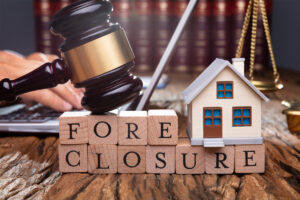 A family’s home is usually their single largest asset. Homeowners whose homes are taken back by the financial institution usually have their credit negatively impacted upon. This often will prevent them from being able to purchase another home in the near future. This means the former homeowners will be living in apartments for a considerable period of time.
 Mortgage foreclosure lawsuits in the state of New York have been made more difficult, by actions of the state legislature. In addition to foreclosure lawsuits becoming more difficult, they’re taking longer and longer to get through the courts. There are more reasons or grounds that foreclosure defense lawyers can use to
 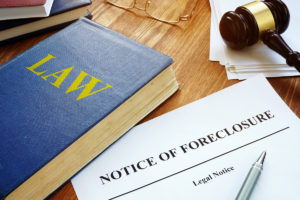 New York Real Property Actions and Proceedings Law Section 1304 requires lenders and servicing companies who want to bring a legal action regarding a mortgage on a residential home in the State of New York must provide 90 days written notice to the borrower regarding the home loan foreclosure before starting legal action. The notice needs to be mailed to the homeowner by regular mayor and certified mail.
 The plaintiff in this case, a financial institution, had appealed an order denying it summary judgment of foreclosure. A summary judgment motion is a motion that states there is no question of fact and the financial institution should be entitled to enter a
  Mr. Yapkowitz and his wife both defaulted on making mortgage loan payments. At that time the servicing company handling the loan payments sent them a 30 day notice of default. This took place on January 22, 2009. In February 2010, the were notified the loan servicing was transferred went to NationStar Mortgage LLC. The mortgage was then assigned to Wells Fargo Bank in April of 2013. There was a denial of a motion for Summary Judgment (to obtain a judgment of foreclosure and sale without needing to go for trial) in July of 2018. An issue was raised by the decision of the Supreme Court with regard to whether each of the homeowner’s must receive a 90 day notice separately from the other borrower.
 $539 million dollars has been appropriated pursuant to an act of Congress for New Yorker’s who are in foreclosure or behind on their
  The covid-19 Emergency Eviction and Foreclosure Prevention Act created a standardized hardship declaration form which tenants can submit to their landlord to prevent and halt an eviction if they have a financial hardship related to or during covid-19 that prevents them from being able to pay their rent. In addition they can qualify if someone in their household is at an increased risk of illness due to covid-19.
 There is approximately $539 million dollars allocated from federal funds to assist


